
I’ve taught myself about investing and personal finance through books, blogs and podcasts. I’ve also just submitted my last assignment to become a Registered Financial Adviser because I wanted to peek behind the curtain and see what secret knowledge the financial world is privy to.
Spoiler alert: there is no secret sauce.
If there’s an evidence-based option to do it yourself that costs less, doesn’t require a massive time or mental energy commitment, and historically has had results that actually beat the “professionals” — why is this information not widely known?
Honestly, the whole thing feels like medicine before evidence-based practice became the standard.
In medicine, evidence changed everything
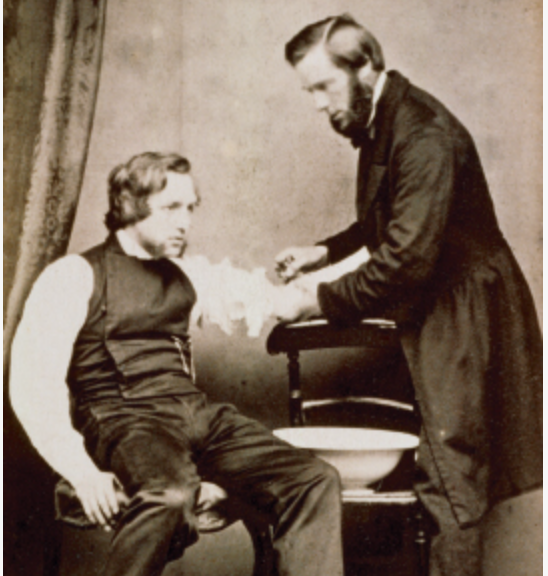
We used to bleed patients. Choose antibiotics based on gut feelings. Resist hand washing because “we’ve always done it this way.”
Then evidence-based practice arrived, and we had to admit: some of what we’d been doing didn’t actually work.
Now, as doctors, we know that prevention and education are the foundation of good health. We empower patients with knowledge so they can make informed decisions. We don’t gatekeep basic health information. We don’t tell people “nutrition is too complex for you” or “you need a personal trainer to exercise safely.”
We know patients do better when they’re informed, empowered, and in control.
In finance, they’re still resisting the evidence
The financial industry tells you investing is too complicated for regular people, you need an expert to beat the market, and professional management delivers better returns. Decades of research shows this simply isn’t true.
If you don’t know what terms like “index fund” or “active management” mean yet – that’s completely fine. We’ll cover all of that.
Here’s what the evidence actually shows
Most professional fund managers can’t beat a simple, low-cost investing approach. Research tracking thousands of professionally managed funds over decades shows that about 90% of them underperform a simple baseline over 15-year periods.¹ The longer you look, the worse the “expert” results get.
Even famous investors agree. Warren Buffett wagered $1 million that a simple, hands-off strategy would beat a collection of hedge funds managed by “experts” over 10 years. He won — decisively. The simple approach returned 125.8% while the average expert fund returned just 36%.²
The simple truth
After months of study, I can tell you: there was nothing I learned about basic investing that couldn’t be taught to any motivated person in a few hours.
The core principles are simple. Spend less than you earn. Invest regularly in low-cost, diversified funds. Stay invested long-term. Ignore the noise.
That’s it. That’s the “secret.”
The financial industry makes it seem harder than it is because your confusion is their profit. And I think that’s worth getting angry about.
What we’ll will cover
This series breaks down the investing basics — what the sharemarket actually is, why index funds work, how fees eat your returns, and how to build a simple plan you’ll actually stick to. By the end, you’ll have everything you need to start investing with confidence.
Investing isn’t hard. Med school was hard, and you already smashed that.
We’ve spent years learning evidence-based medicine. Now it’s time to learn evidence-based investing.
¹ S&P Dow Jones Indices SPIVA research, tracking professional fund performance vs. benchmarks
² Buffett, W. (2017). Berkshire Hathaway Annual Letter to Shareholders
This post is educational, not personal financial advice. Take what’s useful, ignore what’s not.